It's a common assumption that any body shop can handle RV damage the same way it handles a car. In practice, RVs and passenger vehicles are built so differently that the repair process, materials, and equipment involved rarely overlap. Here's what actually sets RV body repair apart.
Different materials, different techniques
Most cars are built around a steel or aluminum unibody frame with stamped body panels. RVs are built from fiberglass and filon panels, aluminum sidewalls, and gel-coat finishes, often laminated over a wood or aluminum substructure. Repairing a fiberglass cap or a delaminated sidewall calls for different adhesives, lamination techniques, and cure times than hammering out or replacing a steel auto panel — skills a standard auto body shop typically hasn't developed.
Scale and structure
An RV can be 25 to 45 feet long and built on a truck or box chassis rather than a car's unibody. That means larger, heavier panels, different structural framing, and equipment sized for the job — enclosed bays tall and long enough to fit a full motorhome, lifts rated for the weight, and space to work around the coach from every angle. Most auto body shops simply aren't set up for a vehicle this size.
Paint, gel coat, and graphics matching
Automotive paint matching relies on manufacturer color codes and basecoat/clearcoat systems. RVs often use gel coat finishes and multi-tone graphics packages or full-body decals that have to be color-matched and aligned correctly, which is a different skill set from automotive refinishing.
Parts sourcing
Auto parts suppliers stock parts for cars and light trucks — not RV manufacturer components. Sourcing the right panel, window, or trim piece for a Forest River, Winnebago, Keystone, or other RV brand requires relationships with RV-specific suppliers and manufacturers that a typical auto body shop doesn't maintain.
Insurance familiarity
RV collision and body claims are handled under different policy language and cost structures than auto claims, and not every adjuster works RV claims often. A shop experienced in RV-specific estimates can document damage in the terms adjusters need to see, which helps prevent a claim from being under-scoped or delayed.
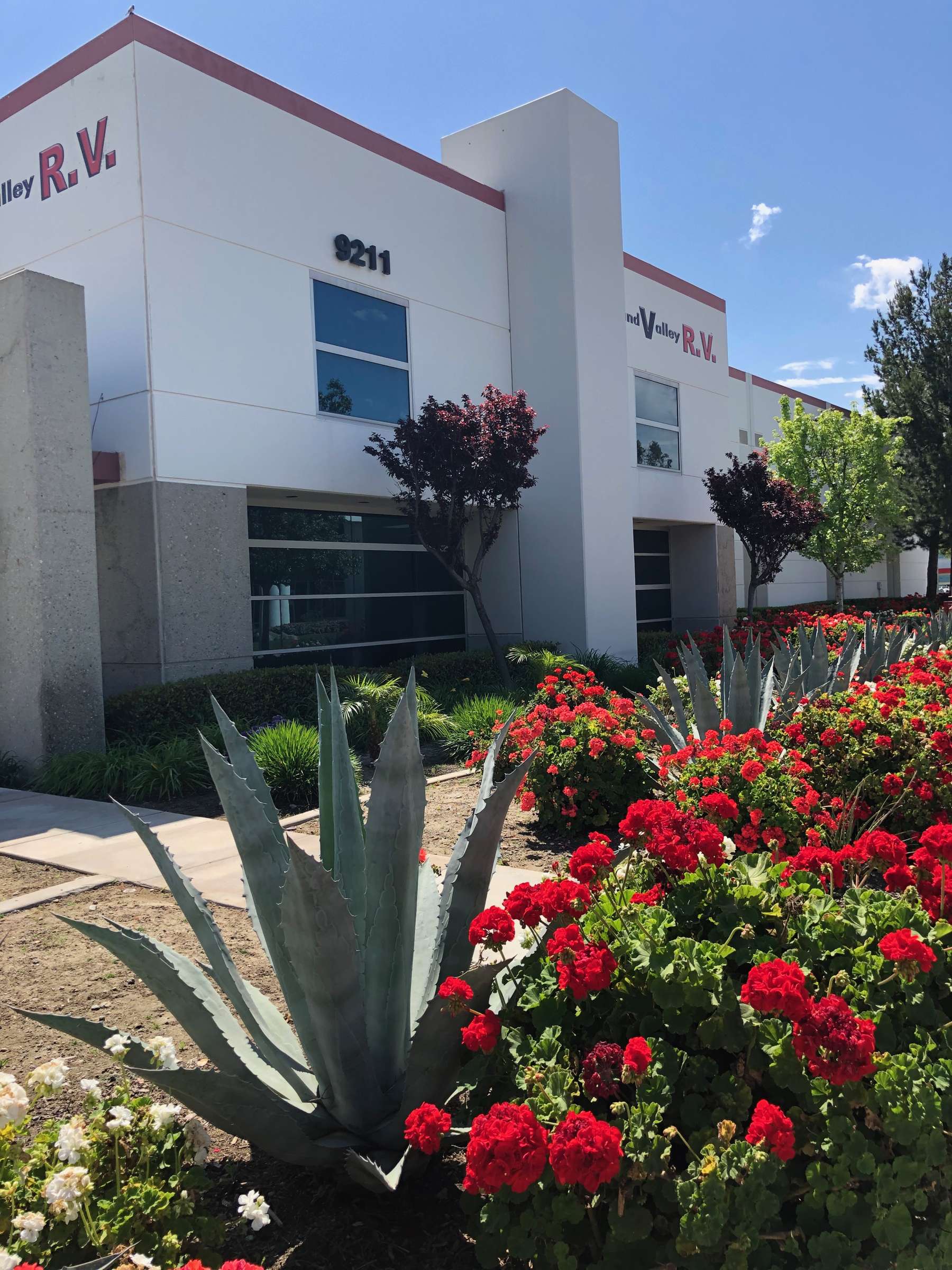
At Inland Valley RV, RV body and collision repair is what we do — not a sideline. We've been repairing travel trailers, fifth wheels, and motorhomes in Rancho Cucamonga since 1992, with in-house fiberglass, aluminum, and paint work, and enclosed bays built for coaches, not cars.
Have body or collision damage? Talk to a shop that specializes in RVs, not just vehicles.