After an RV accident, the damage you can see from the parking lot is not always the damage that matters most. A creased sidewall, a scuffed bumper, or a torn graphic can hide broken framing, an opened roof-edge seal, or a slide-out that is no longer square. Those problems are easy to miss on a walk-around, and they are the ones that turn into leaks or alignment issues later if they are not on the estimate.
This guide explains what often sits behind the visible panel, why it matters for the repair and the insurance claim, and what a thorough inspection should include. For the first steps at the scene and the claim process, see What to Do After an RV Collision and What to Expect During an RV Body Repair Insurance Claim.
Why RV collision damage hides
RVs are not built like passenger cars. Sidewalls are often laminated fiberglass or aluminum over a wood or aluminum structure. Front and rear caps are commonly molded fiberglass. The roof has to stay watertight at every edge and opening. An impact can crack or shift what is behind a panel without leaving an obvious hole in the skin you can see from a few feet away.
A standard auto body shop is not set up for this kind of structure. The materials, bay size, and repair methods are different, which we explain in why RV body repair is different from auto body work.
What a walk-around often misses
Framing and substrate behind the panel
A sideswipe or a backing accident can wrinkle or crack an exterior panel while also damaging the framing, outriggers, or wall substrate underneath. That damage is often not confirmed until the panel is opened during a professional inspection or after the repair is approved and disassembly begins.
Delamination
Impact and moisture can cause the outer skin to separate from the substrate. Delamination may show as a bubble, a soft area, or a dull-looking patch, but it can also be subtle at first. If it is missed, the wall can continue to deteriorate.
Roof edges, gutters, and sealant
Even when the roof membrane looks intact in the center, an impact along the upper sidewall can disturb the roof termination, gutter, or sealant line. An opened seal can let water into the wall cavity later, sometimes well after the coach looks repaired from the outside. If the roof itself was struck — a low clearance, a branch, or an overhang — that is a roof repair as well as a body repair, and it should be inspected as one job. Our roof repair and replacement team works in the same shop as our collision team.
Slide-outs, doors, and compartments
An impact can knock a slide, entry door, baggage door, or compartment out of alignment. The door may still close, which is why this gets missed, but seals may no longer sit correctly. That can lead to leaks or to a slide that binds.
Underbody, steps, and towing equipment
Backing and sideswipe damage can reach steps, brackets, wiring, and, on trailers, parts of the hitch or electrical connection. These are easy to overlook if the focus stays on the sidewall graphic.
Lights, cameras, and wiring
Marker lights, cameras, and wiring runs in the wall or cap can be damaged even when the fixture still looks attached.
None of this means every accident produces hidden damage. It means a walk-around from the ground is not a complete inspection.
Water intrusion after a collision
Water is the main reason hidden collision damage becomes a larger repair if it is left alone. An opened seam or a cracked cap does not always leak on the day of the accident. It may leak the next time the coach sits in a storm or is washed. Owners in San Dimas, Rancho Cucamonga, and elsewhere in the Inland Empire often notice a new stain or a musty smell only after the next rain, not at the scene.
If you already see interior staining, soft walls, or a damp odor after an accident, tell the shop and the adjuster. That information belongs in the inspection and the estimate.
Why this matters for the insurance claim
Most of our collision and body work is insurance-related. Once your claim is open, we inspect the RV, write the estimate, and work with the adjuster through approval. We work directly with your insurance carrier on collision and storm claims, and we work with all major insurance carriers.
In California, you have the right to choose any licensed repair facility. You are not required to use a shop your insurance company recommends.
RV damage is often more extensive than what is visible before disassembly. If we find additional damage once panels come off, we document it and submit a supplemental estimate to your insurer for approval before continuing on that portion of the work. That protects you from surprise charges and keeps the repair properly covered. A complete first inspection reduces the chance that obvious hidden items are left off the original estimate, but some issues can only be confirmed after the exterior skin is opened.
What a thorough inspection includes
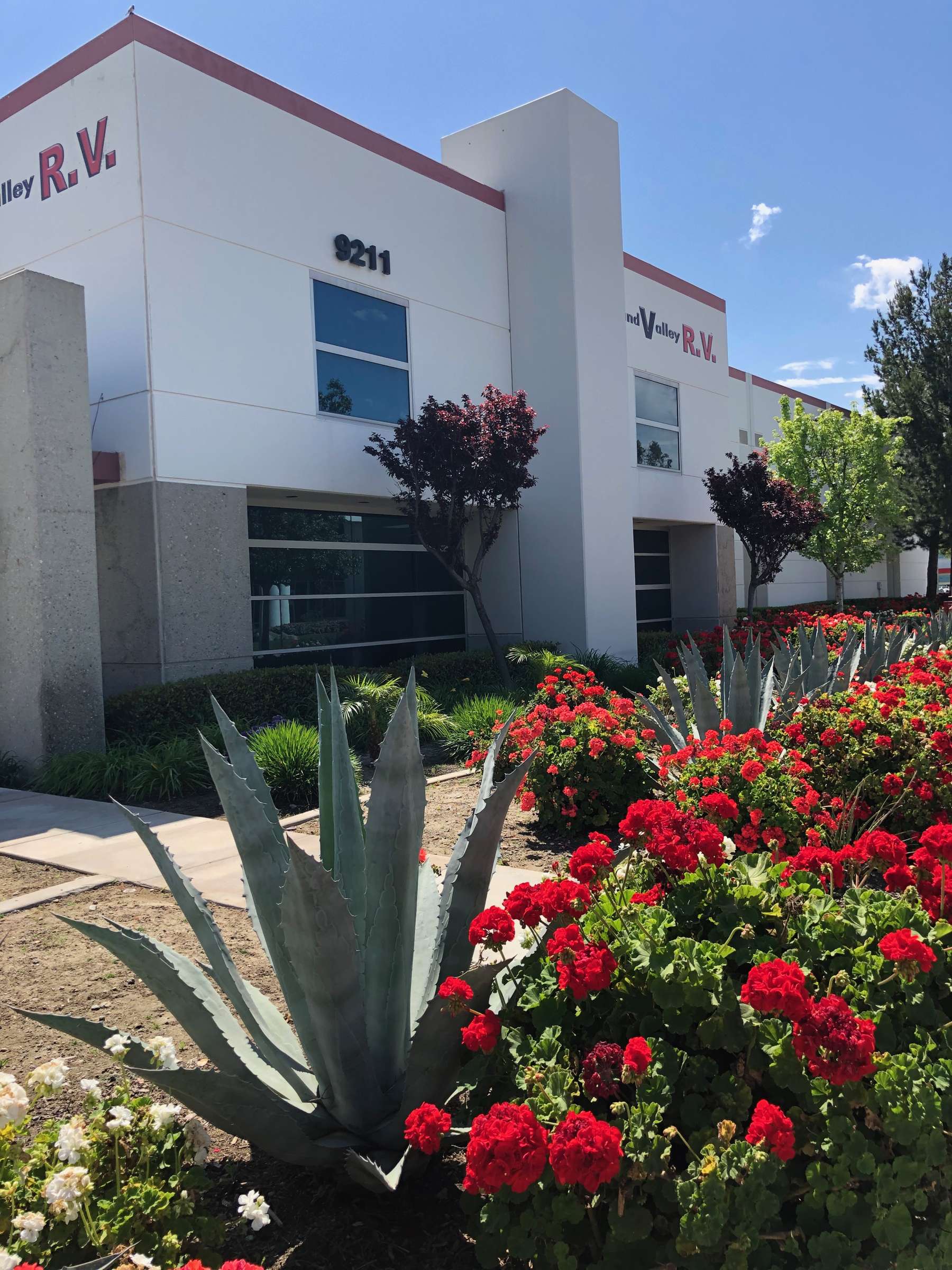
Estimates are by appointment at our shop at 9211 Charles Smith Ave in Rancho Cucamonga. Bring the claim number and adjuster contact information if you already have them.
A thorough collision inspection looks at more than the obviously damaged panel. It typically includes the surrounding sidewalls and caps, the roof edge and nearby sealant if the impact was high on the coach, doors, slides, and compartments in the area of the impact, and a look for signs of moisture or misalignment. The written estimate is prepared in a form adjusters expect to see.
Work is done indoors in our 12 secure enclosed service bays by manufacturer-trained technicians. Inland Valley RV is family-owned since 1992 and manufacturer-authorized for Forest River and Winnebago. We repair travel trailers, fifth wheels, motorhomes, and toy haulers. Your RV stays inside the building during the repair. Labor is backed by a 60-day warranty. Parts follow the manufacturer's warranty terms.
After the accident, before the estimate
The practical sequence is straightforward: make sure everyone is safe, document the scene, notify your insurance company, then choose an RV collision shop and schedule an inspection. Our step-by-step collision guide walks through those first decisions. The inspection is where hidden damage is either found or, just as important, ruled out.
If you are not sure whether a scuff is worth bringing in, have the coach inspected before you travel or store it with an unsealed opening.
FAQ
Yes, if the coach was in a collision or backing accident. Laminated sidewalls and fiberglass caps can hide framing damage, delamination, or an opened roof-edge seal behind a scuff or a crease. An inspection is how you find that damage or rule it out.
Yes. An impact high on the sidewall can disturb the roof edge, gutter, or sealant even if the center of the roof looks fine. A low clearance, branch, or overhang can also strike the roof directly. Either way, an opened seal can let water into the walls later.
In California, you have the right to choose any licensed repair facility. You are not required to use a shop your insurance company recommends. Choose a shop that regularly repairs RV structures, not only passenger vehicles.
RV body damage is often more extensive than what is visible before disassembly. If we find additional damage once panels come off, we document it and submit a supplemental estimate to your insurer for approval before continuing on that portion of the work.
Learn more about our RV collision and body repair services.
Schedule a collision inspection or estimate.