
A water stain on an RV ceiling is a symptom, not the starting point. Water that gets through a roof often travels along the decking or into a wall cavity before it shows up inside, sometimes well away from the actual opening. That is why a lasting repair starts with tracing the leak, then fixing the entry point and any damage underneath, not just covering the stain.
If you are noticing soft spots, ceiling stains, chalky membrane, or failed sealant, our guide to signs your RV roof needs attention covers what to look for. This article explains what typically happens after those signs appear: how a shop finds the source, what a repair usually involves, and when a leak means the membrane itself needs to be replaced.
Why a stain is not the same as the leak
RV roofs are made of a membrane or a hard shell over a wood or composite deck, with seams and openings for roof vents, plumbing vents, skylights, antennas, and air conditioners. Each of those openings is a place sealant or a flashing can fail. Once water is under the membrane, it can run along the deck and drip into the living space at a low point or at a screw or fixture. That is why the stain on the ceiling is not always directly under the failure on the roof.
Left alone, that moisture can soften the decking and work into the wall structure. A small seal failure can become a much larger repair if the decking or framing is affected. Catching it while the damage is still localized is what keeps many jobs in the repair column instead of a full roof replacement.
How a technician traces the source
At Inland Valley RV, roof inspections are done by appointment at our shop in Rancho Cucamonga. The goal is to find the entry point and to see how far moisture has already traveled.
A typical inspection looks at:
- The membrane or fiberglass surface for cracks, punctures, lifted seams, and UV wear such as chalking, which is common on rubber (EPDM) roofs
- Lap sealant and terminations along the roof edges and around every penetration
- Vents, skylight frames, antenna mounts, and air conditioner openings, which are the most frequent failure points
- The interior: stain locations, soft ceiling or wall panels, and any musty odor after the coach has been stored
- The feel of the decking in suspect areas, checked carefully, because a spongy spot usually means water has already reached the wood or substrate under the membrane
The type of roof matters. Rubber membranes (EPDM and TPO) and fiberglass roofs fail in different ways, and the repair is not the same. We cover those differences in Rubber (EPDM) vs TPO vs Fiberglass RV Roofs.
We do not guess the scope from a photo of a stain alone. The estimate comes after the roof has been inspected in person.
Common places RV roofs leak
Most leaks start at a seam or an opening, not in the middle of an otherwise sound panel:
- Dried, cracked, or separated sealant around vents, skylights, and air conditioners
- Failed vent pipe boots or loose fasteners at a roof accessory
- Lifted or open membrane seams and edge terminations
- Punctures from a branch, a loose object, or an old antenna or rack mount
- Damage along the roof edge after a collision, a low clearance, or a sideswipe that disturbed the termination and sealant even if the center of the roof looks fine
Owners in Rancho Cucamonga, San Dimas, and other Inland Empire cities often first notice a problem after a storm, or when they open a coach that has been parked through a stretch of hot, dry weather. Intense sun ages sealant and membranes. Wind and rain then find the weak spot. A stain that appears after storage is worth inspecting even if the roof looks all right from the ground.
What a typical repair involves
The right repair depends on what the inspection finds, not on a one-size approach.
Resealing an isolated opening
If the membrane and decking are sound and the leak is limited to a vent, skylight, or short run of seam, the work is often a thorough cleaning and reseal of that area, and replacement of a worn boot, flange, or seal as needed. This is the most limited kind of repair, and it only lasts if the surrounding roof is actually in good condition.
A patch or section repair
A puncture or a small damaged area can sometimes be patched or repaired in section when the rest of the membrane and the decking underneath are solid. Patching over soft or rotted decking only hides the problem.
Decking and water-damage repair
If the membrane feels soft, or if staining suggests moisture has been in the roof for a while, part or all of the membrane may need to come up so the decking can be inspected and replaced where it is damaged. This is a larger job than a reseal, and it is the point where a simple-looking leak becomes structural work.
Interior and wall repairs
Water that has entered a wall cavity can affect insulation, interior panels, and framing. Those repairs are part of a complete job when the inspection shows the leak has moved beyond the roof itself.
After any of these repairs, seams, vents, and other roof penetrations in the work area are resealed. Labor on our work is backed by a 60-day warranty. Membrane and materials follow the manufacturer's warranty terms.
When a leak means replacement instead of repair
We answer this after inspecting the roof, not before.
Repair and reseal usually fit a small, isolated leak on a roof whose membrane and decking are otherwise sound. Full membrane replacement is usually the more lasting fix when there is widespread membrane aging, several leak points, or soft or rotted decking underneath.
If the membrane is chalked, cracked, or shrinking along the edges, resealing one vent will not correct the rest of the roof. In that case we will say so clearly and walk you through a replacement, including how long an insurance-approved replacement typically takes. See our RV roof replacement timeline.
What affects the cost
There is no single price that fits every roof leak. Cost depends on the length of the RV, the roofing material, how much decking is damaged, how many openings have to be resealed, and whether water has reached the walls or interior. A targeted reseal and a full membrane replacement are very different jobs. We give a clear scope of work after the inspection.
Insurance for storm and collision roof damage
Insurance may cover sudden storm, hail, wind, falling-tree, or collision damage to an RV roof. Coverage varies by policy and carrier. Wear, aging, and leaks that develop over time are often treated differently than a sudden, documented event. We do not decide what a policy covers, but we document the damage and work directly with your insurance carrier on collision and storm claims. We work with all major insurance carriers.
If the roof was damaged in an accident, our collision and body repair team handles that part of the work in the same shop.
How the work is done at Inland Valley RV
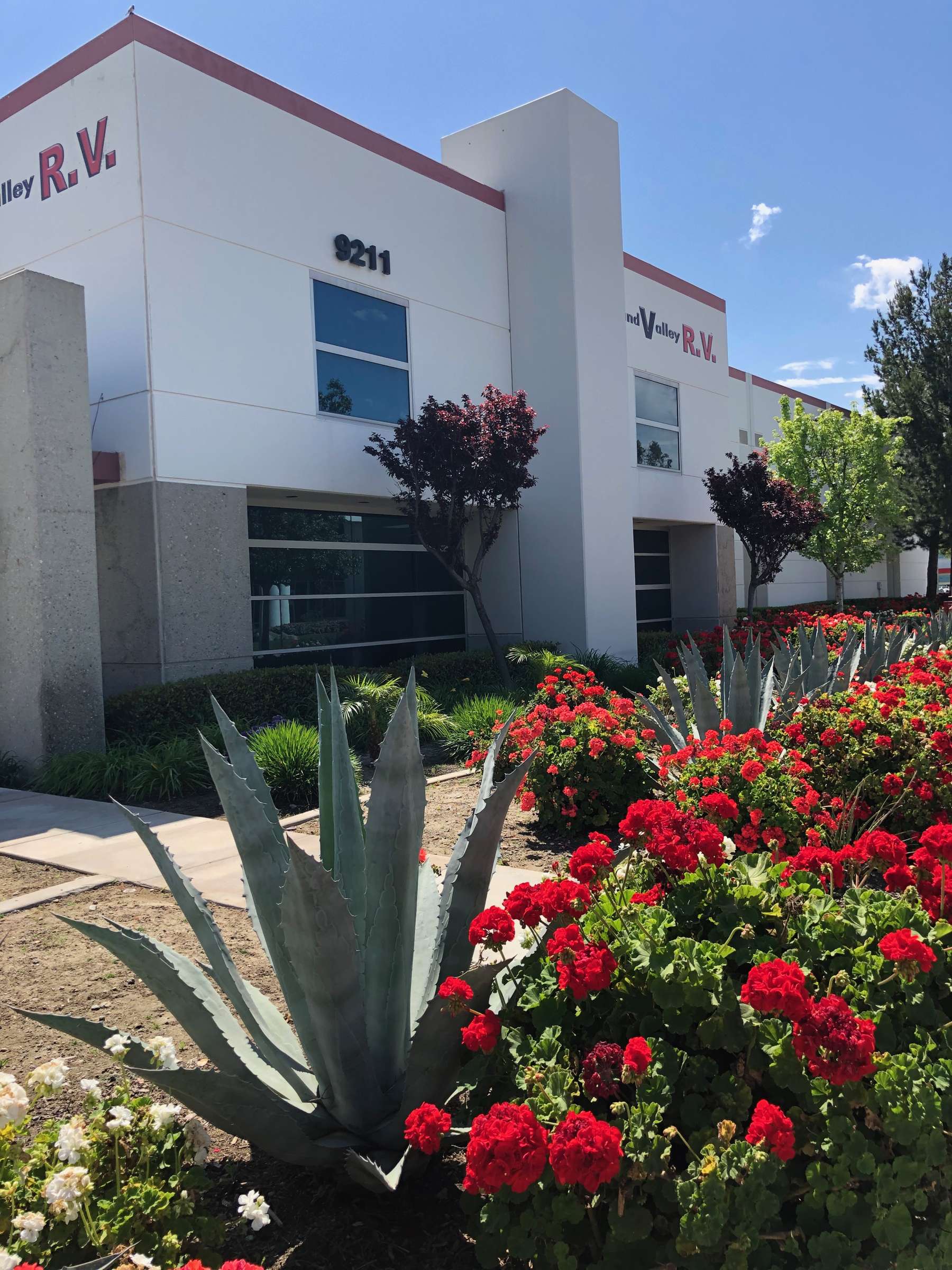
Inland Valley RV is a family-owned shop in Rancho Cucamonga, open since 1992. Roof work is done indoors in our 12 secure enclosed service bays by manufacturer-trained technicians. We are manufacturer-authorized for Forest River and Winnebago, and we work on travel trailers, fifth wheels, motorhomes, and toy haulers of every make and model.
Estimates are by appointment. Call (909) 980-1746 or request an estimate online. There is no outdoor storage during active repairs. If insurance is involved and we find additional damage once a membrane is lifted, we document it and get supplemental approval from your adjuster before continuing on that part of the work.
FAQ
No. The stain is a symptom, and the water often enters somewhere else on the roof. Adding sealant over the interior stain, or over a random spot on the roof, can hide the real opening and let moisture keep moving into the decking or walls. A lasting repair starts with finding the entry point.
We answer that after inspecting the roof, not before. A small, isolated leak around a vent, skylight, or seam can often be repaired and resealed if the membrane and decking are otherwise sound. Widespread aging, several leak points, or soft or rotted decking usually call for a full membrane replacement.
It may, when the damage is from a sudden storm, hail, wind, a falling tree, or a collision. Coverage varies by policy and carrier. Wear, aging, and leaks that develop over time are often treated differently. We document the damage and work directly with your insurance carrier on collision and storm claims.
A stain means water has already made it inside. Using or storing the coach without finding the source can let more moisture into the decking and walls. Schedule an inspection so the leak can be traced and the damage can be contained.
See our full roof repair and replacement services.
Schedule a roof inspection or estimate.